7.5
TMDB
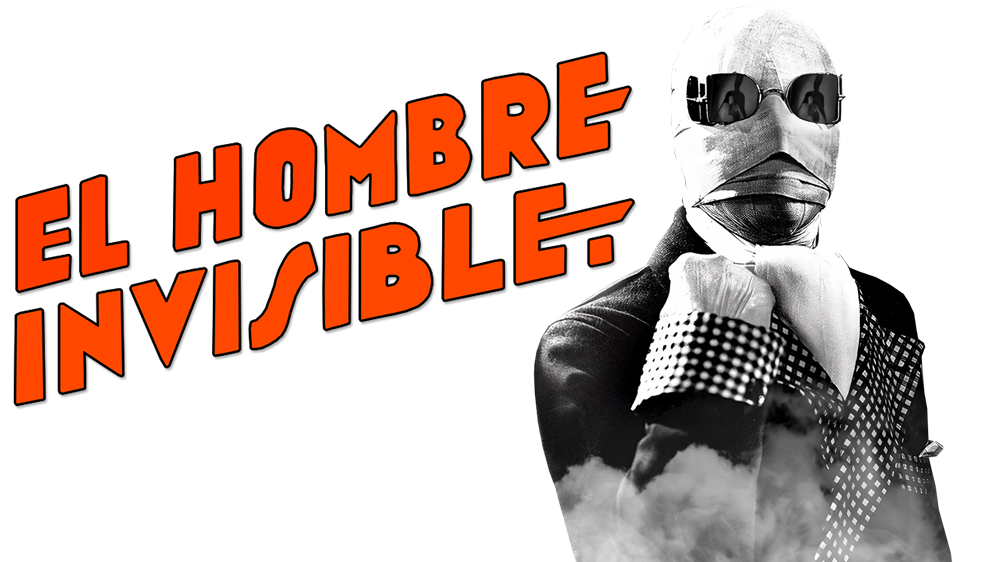
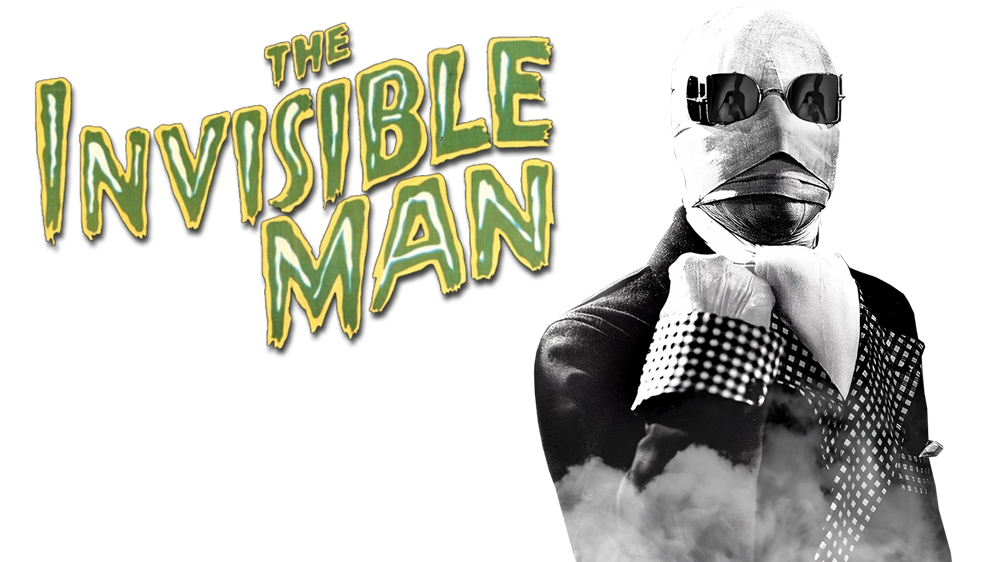
After experimenting on himself and becoming invisible, scientist Jack Griffin, now aggressive due to the drug's effects, seeks a way to reverse the experiment at any cost.
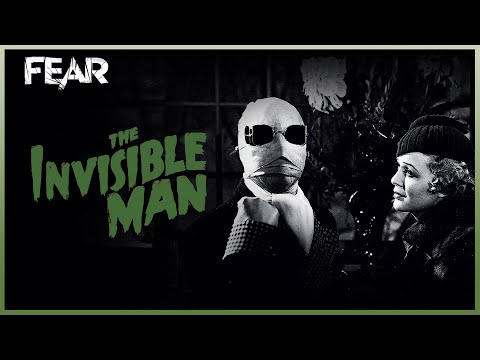
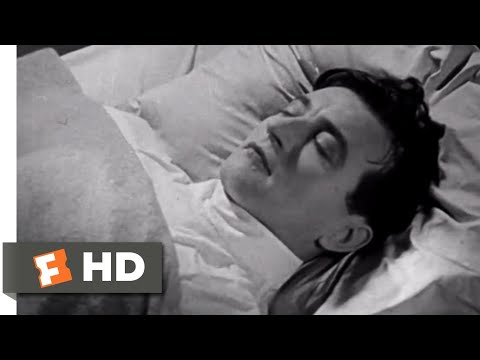
The Invisible Man (1933) Official Trailer | Fear: Classic Monsters

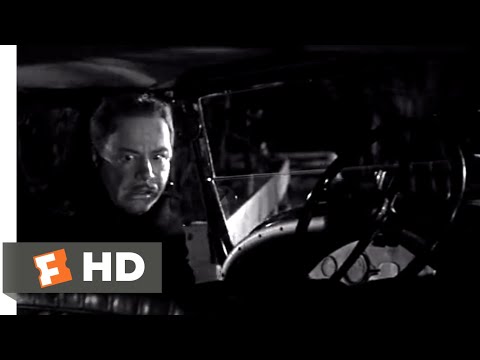
The Invisible Man (1933) Behind The Scenes | Classic Monsters
Budget
$328K
Revenue
$27.1K
Studio
 Universal Pictures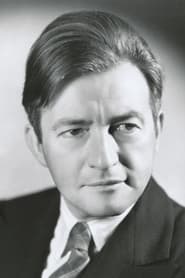
Claude Rains
Dr. Jack Griffin

Gloria Stuart
Flora Cranley
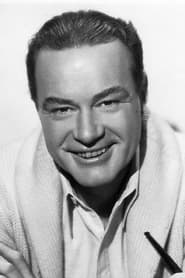
William Harrigan
Dr. Arthur Kemp
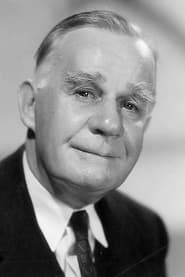
Henry Travers
Dr. Cranley

Una O'Connor
Jenny Hall
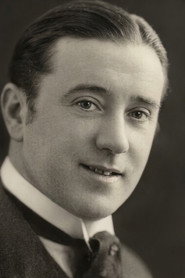
Forrester Harvey
Herbert Hall
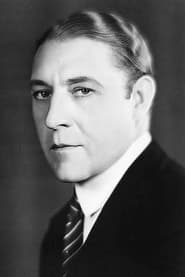
Holmes Herbert
Chief of Police
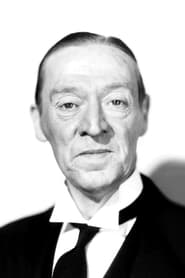
E. E. Clive
Constable Jaffers
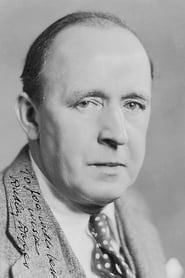
Dudley Digges
Chief Detective

Harry Stubbs
Inspector Bird
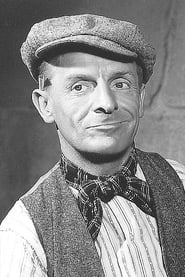
Donald Stuart
Inspector Lane

Merle Tottenham
Millie
4 reviews · 3 fans
3 fresh · 0 rotten
It alters you, changes you. There's a snow storm blowing ferociously, a man trundles towards a signpost that reads Iping. He enters a hostelry called The Lions Head, the patrons of the bar fall silent for the man is bound in bandages. He tells, not asks, the landlady; "I want a room with a fire". This man is Dr. Jack Griffin, soon to wreak havoc and be known as The Invisible Man. One of the leading lights of the Universal Monster collection of films that terrified and enthralled audiences back in the day. Directed by genre master James Whale, The Invisible Man is a slick fusion of dark humour, berserker science and genuine evil. Quite a feat for a film released in 1933, even more so when one samples the effects used in the piece. Effects that are still today holding up so well they put to shame some of the toy like expensive tricks used by the modern wave of film makers. John P. Fulton take a bow sir. After Boris Karloff had turned down the chance to play the good doctor gone crazy, on account of the role calling for voice work throughout the film only, except a snippet at the finale, so Whale turned to Claude Rains. Small in stature but silky in voice, Rains clearly sensed an opportunity to launch himself into Hollywood. It may well be, with Whale's expert guidance of course, that he owes his whole career to that 30 second appearance of his face at the end of the film? As w…
We all know that necessity is the mother of invention, but there is another saying in Spanish that roughly translates to ‘sloth/laziness is the mother of all vices’ (the closest English equivalent I can think of is ‘idle hands are the devil’s playground’). I would say that the link between invention and laziness is largely computer-generated; that’s why a near-100 year-old movie such as The Invisible Man looks better than any modern CGI extravaganza, and it does so because it’s all there – even when it isn’t. Jorge Luis Borges once wrote about all the trouble that H.G. Wells’s Invisible Man has to go to (wigs, dark glasses, fake noses and beards, etc.) so that people can’t see that they can’t see him. Director James Whale went to similar great lengths to make sure we can see that there is someone we can’t see, and the sheer mechanical ingenuity devoted to making the titular character a tangible physical presence reminds me of the biblical admonition that “ye shall know them by their fruits”; Dr. Jack Griffin (Claude Rains) certainly puts the phrase ‘conspicuous by his absence’ in an entirely different perspective. The flawlessness of the whole enterprise is made even more impressive when we consider that it was achieved with wires that had to be kept out of the shot because the technology to digitally delete them obviously didn’t exist yet. Other optical effects, involving th…
***Becoming invisible and… mad*** A wandering chemist in a snowstorm makes it to the town of Iping in southern England where he seeks to finish important tests in his room at an Inn, but the rural people find him too curious to ignore and soon discover that he's... This classic flick was based HG Wells' 1897 novel, just moving the events to the early 1930s. It surprisingly holds up for succinct cinematic entertainment. The first half is more interesting than the second, however, as the latter focuses on how the authorities can apprehend the unseen criminal. It led to four sequels between 1940-1944 and an Abbott and Costello flick in 1951, as well as a financially successful remake in 2020. It's short 'n' sweet at 1h 11m; and was shot at Universal Studios, which is just west of the Hollywood Sign in Los Angeles. GRADE: B













Title
The Invisible Man
Released
Oct 31, 1933
Rated
NR
Region of Origin
United States of America
Original Audio
English
Runtime
1h 11m
Status
Released
Studio
Universal Pictures